
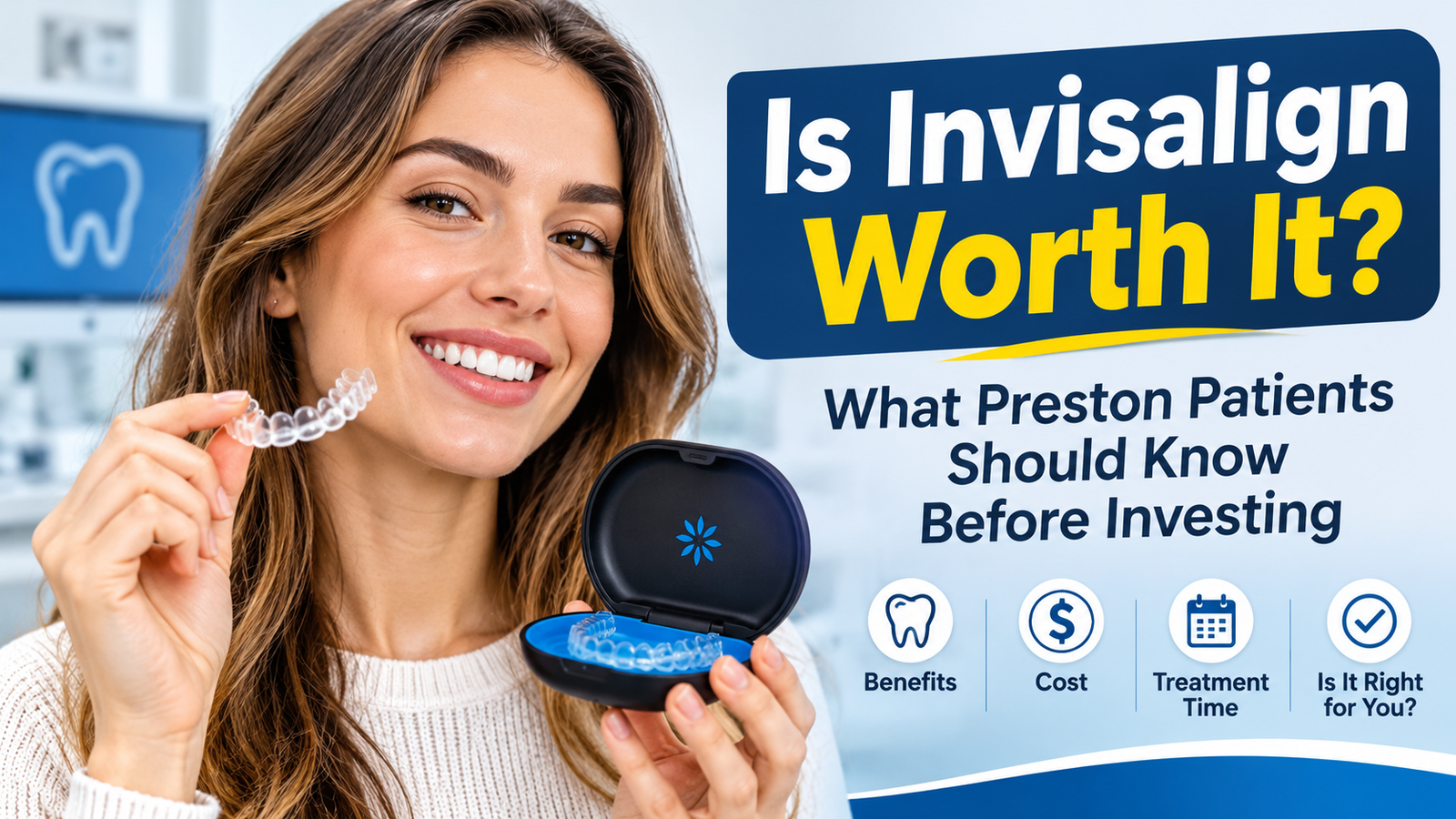

Choosing to straighten your teeth is an important decision, especially when you want noticeable improvements without wearing traditional metal braces. Many adults and teenagers consider clear aligners because they offer a discreet way to correct crooked teeth, gaps, and certain bite problems. However, the treatment involves more than simply wearing transparent trays. Cost, treatment duration, comfort, and long-term results all deserve careful consideration.
For patients considering clear aligner treatment, exploring Invisalign Preston can provide useful information about how the treatment works, which dental concerns it addresses, and what patients should expect before committing to orthodontic care.
What Makes Invisalign Different From Traditional Braces?
Invisalign uses a series of custom-made, transparent plastic aligners to gradually move teeth into improved positions. Each set applies controlled pressure to specific teeth. As treatment progresses, patients replace their current aligners with the next set in the prescribed sequence.
Unlike conventional braces, clear aligners do not rely on metal brackets and wires. They can be removed for eating, drinking anything other than water, brushing, and flossing. This flexibility makes them particularly appealing to people who want to maintain their normal routines.
However, removable aligners require discipline. Patients generally need to wear them for 20 to 22 hours daily to achieve the intended results. Removing them too frequently or forgetting to put them back can delay progress.
Another important distinction is that Invisalign is not suitable for every orthodontic problem. Mild to moderate crowding, spacing issues, and certain bite concerns may respond well, while more complex cases might require traditional orthodontics or additional dental procedures.
Is Invisalign Worth the Investment? Five Factors to Consider
Before committing to treatment, consider the following factors to determine whether clear aligners offer sufficient value for your circumstances.
1. The Appearance and Confidence Benefits
One of Invisalign’s biggest advantages is its discreet appearance. The transparent material makes the aligners considerably less noticeable than traditional metal braces.
This can be particularly valuable for professionals who regularly attend meetings, interact with customers, or speak in public. For example, someone working in sales may prefer clear aligners because they can improve their smile without drawing attention to orthodontic treatment.
Although aligners are not completely invisible, most people will find them less noticeable during everyday conversations.
See also: Hard Drive Shredding Services: The Complete Guide to Secure Data Destruction
2. Comfort During Everyday Activities
Traditional braces can sometimes irritate the cheeks and lips because of their brackets and wires. Clear aligners have smooth surfaces, which generally reduces this type of irritation.
However, Invisalign is not entirely painless. Patients often experience pressure or temporary tenderness when switching to a new aligner. This sensation indicates that the trays are applying force to move the teeth.
The discomfort usually becomes easier to manage after a few days. Eating softer foods during the initial adjustment period can help.
3. Easier Oral Hygiene
Maintaining good oral hygiene can be challenging with fixed braces because food particles become trapped around brackets and wires.
Invisalign allows patients to remove their aligners before brushing and flossing. This makes it easier to clean every tooth surface and maintain healthy gums.
For example, someone who regularly eats lunch at work can remove their aligners, enjoy their meal, brush their teeth, and put the trays back in afterward.
However, cleaning the aligners themselves is equally important. Rinsing them and cleaning them according to professional instructions helps prevent unpleasant odors and bacterial buildup.
4. Predictable Treatment Planning
Digital treatment planning allows dental professionals to map out proposed tooth movements before treatment begins. Patients may also be able to view a simulation of their anticipated smile changes.
This provides a clearer understanding of the treatment objectives and expected progression.
Nevertheless, digital simulations represent planned outcomes rather than guaranteed results. Individual tooth movements, biological responses, and patient compliance can affect the final outcome.
5. Long-Term Dental Benefits
Correcting certain alignment problems can make teeth easier to clean and improve how the upper and lower teeth meet.
For instance, overlapping teeth can create areas where plaque accumulates, making effective brushing difficult. Improving their alignment may help patients maintain better oral hygiene.
However, straight teeth alone do not guarantee healthy teeth. Regular dental examinations, proper brushing, flossing, and professional cleaning remain essential.
A Step-by-Step Guide to Deciding Whether Invisalign Is Right for You
Making an informed decision requires more than comparing treatment prices. Follow these practical steps before investing.
Step 1: Arrange a Comprehensive Dental Assessment
Start with an examination by a qualified dental professional who provides orthodontic treatment.
Your dentist should assess tooth alignment, gum health, bite position, existing dental restorations, and any underlying oral health concerns.
Not every patient is an appropriate candidate. Addressing untreated gum disease or tooth decay may be necessary before beginning orthodontic treatment.
Step 2: Understand Your Treatment Plan
Ask how many aligners you may need, how frequently you should change them, and how long treatment is expected to take.
Some straightforward cases may take several months, while more involved treatments can require a year or longer.
Your dentist should explain whether attachments, interproximal reduction, or refinement aligners might be necessary.
Attachments are small tooth-colored features that help aligners achieve specific movements. Interproximal reduction involves carefully removing small amounts of enamel between selected teeth to create space when clinically appropriate.
Step 3: Compare the Total Treatment Cost
Invisalign prices vary depending on case complexity, treatment duration, and the dental practice.
Rather than choosing a provider based solely on the lowest advertised price, ask what the quoted fee includes.
Check whether the following are covered:
- Initial consultation and diagnostic records.
- Custom aligners and treatment planning.
- Progress appointments and monitoring.
- Additional refinement aligners.
- Retainers after treatment.
- Replacement fees for lost or damaged aligners.
Understanding these details helps prevent unexpected expenses later.
Step 4: Evaluate Your Daily Routine
Consider whether you can consistently wear your aligners for 20 to 22 hours each day.
People who frequently snack, drink sugary beverages, or forget to follow routines may find removable orthodontic treatment challenging.
A realistic assessment of your habits can prevent disappointment and unnecessary treatment delays.
Step 5: Discuss Retention Before Starting
Finishing Invisalign does not mean your teeth will remain permanently in their new positions without maintenance.
Retainers help maintain the results by preventing teeth from gradually shifting back toward their original positions.
Ask your dentist about the recommended retainer type, replacement costs, and long-term wearing schedule before agreeing to treatment.
Common Invisalign Mistakes and Challenges to Avoid
Even well-designed treatment can produce disappointing results when patients overlook important responsibilities.
Wearing aligners inconsistently: Removing trays for extended periods can interrupt planned tooth movements. Follow your dentist’s prescribed wearing schedule.
Eating with aligners in place: Eating while wearing removable aligners can damage them and trap food against the teeth. Remove them before meals and snacks.
Drinking sugary or hot beverages: Water is generally the safest drink while wearing aligners. Hot liquids can distort plastic, while sugary drinks may increase the risk of tooth decay.
Neglecting dental hygiene: Placing aligners over unclean teeth can trap bacteria and food debris. Brush before reinserting them whenever possible.
Skipping dental appointments: Regular monitoring allows your dentist to identify problems early and adjust treatment when necessary.
Ignoring retainers: Teeth naturally move throughout life. Neglecting retention can compromise the alignment achieved during treatment.
Practical Tips for Getting the Best Results
A few consistent habits can make Invisalign treatment easier and more effective.
- Use an aligner case: Keep your trays in their protective case whenever they are removed. Wrapping them in tissues increases the risk of accidentally throwing them away.
- Set daily reminders: Phone notifications can help you remember to reinsert your aligners after meals.
- Maintain a cleaning routine: Clean your trays using products and techniques recommended by your dental professional.
- Plan meals around your schedule: Grouping snacks and meals into predictable periods reduces unnecessary removal time.
- Report problems promptly: If an aligner cracks, becomes uncomfortable, or no longer fits properly, contact your dentist rather than attempting adjustments yourself.
- Follow the complete treatment plan: Do not move to the next aligner earlier than instructed, even if the current tray feels comfortable.
These simple habits support consistent tooth movement and help reduce avoidable interruptions.
Conclusion: Should You Invest in Invisalign?
Invisalign can be a worthwhile investment for Preston patients who want a discreet, removable alternative to traditional braces. Its advantages include improved appearance, convenient oral hygiene, and customized treatment planning.
However, the value depends on more than the technology itself. Your dental condition, treatment costs, lifestyle, and commitment to wearing aligners consistently all influence the outcome.
Before making a decision, arrange a professional assessment, compare the complete treatment costs, and understand the long-term responsibilities involved. If your orthodontic needs are suitable and you can follow the prescribed routine, Invisalign may offer a practical route toward a healthier, more confident smile.


