ByJohn A
Booking a Couples Massage When Only One of You Has Done It Before
One of you knows exactly how this goes. You have a preferred pressure, maybe a therapist you trust, and a rough sense of how your body feels once it is over. Your partner has none of that experience from the past. For them, the idea sits somewhere between curiosity and quiet nerves, and they might agree to a couples massage while privately wondering what they signed up for.
That gap in experience is the part most people overthink. The truth is simpler than the worry. A couples massage works fine when one of you is new, as long as you plan the day with the nervous partner in mind.
Why a Couples Massage Works Even When One of You is New
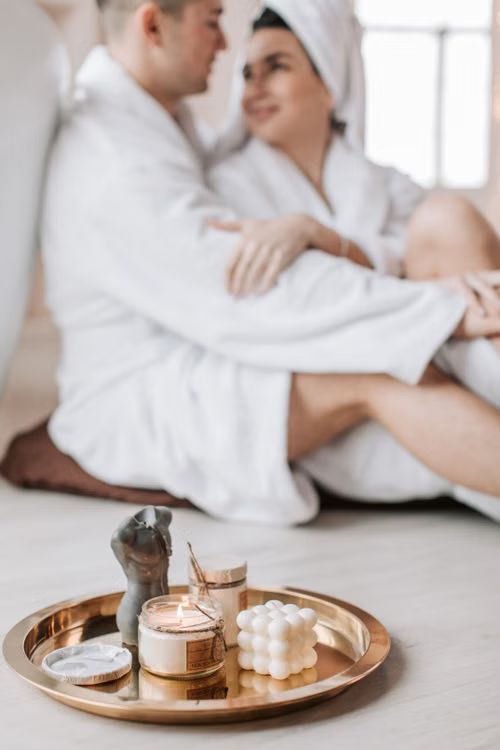
Two people lie on separate tables in the same room, each with their own therapist. You are side by side, yet the massage itself happens one-on-one. So your partner is not performing for you, and you are not watching them work through it. That setup takes the pressure off a newcomer right away, because nobody has to keep up with anyone else.
There is real comfort in the treatment itself, too. The National Center for Complementary and Integrative Health notes that massage can help relieve muscle and soft-tissue pain and improve overall well-being. The research also points toward genuine benefit for pain and tension. That physical ease is part of why even hesitant first-timers tend to come around once the session starts.
Think back to your own first time. You probably did not know the etiquette either, and the therapist guided you until the strangeness faded. There is no wrong way to do this. Your partner lies down, breathes, and the therapist handles the rest while you relax a few feet away.
See also: fitnesscrisp
How to Prepare Your Partner for a First Couples Massage
A little preparation removes most of the nerves. You do not need a long talk. A few honest details about what actually happens will settle more worry than a vague promise that they will love it.
Here is what helps to cover before you go:
- They can undress to their comfort level and stay covered with a sheet the whole time, with only the area being worked on uncovered.
- They can talk or stay quiet, and the therapist follows their lead either way.
- They can ask for lighter or firmer pressure at any point, and a good therapist checks in early.
- If anything feels off, they can say so without ruining the session for you.
Share the practical parts and leave the rest. Overselling it can backfire because expectations that climb too high are hard to meet. Let the hour speak for itself.
Picking a Place That Puts a Nervous Partner at Ease
Where you book matters more when one person is unsure. Call ahead and mention that it is the first time for one of you. The way they answer tells you plenty. A calm, helpful response is a good sign, and a rushed or vague one is worth noting.
Ask about the room itself. A private couples’ room with two tables is the standard setup, and knowing that ahead of time removes a surprise. Some newcomers picture an open space with strangers nearby, which is rarely how it works.
Comfort details count too. A warm room and a clear explanation at the start help a first-timer relax. If the staff sound patient on the phone, they will likely be patient in person.
Length is worth a thought as well. A sixty-minute session is plenty for a first time, since a longer one can feel like a lot when the whole thing is unfamiliar. You can always book the longer slot once your partner knows they enjoy it.
Two Bodies, Two Needs, in One Room
This is where the experience gap actually helps. You and your partner do not need the same massage. You might want firm pressure on a stiff back, while they prefer something slow and gentle. Two therapists mean two sessions running at once, so neither of you has to settle for the other person’s choice.
Tell your own therapist what you want, and let your partner do the same. You should not nudge them toward firmer pressure than they like. First-timers usually do better with a lighter touch while their bodies get used to the feeling. Comfort matters more than endurance. Nobody earns anything by gritting through pressure that hurts.
What to Do After the Session Ends
Give your partner room to react in their own way. Some feel calm and sleepy afterward, while others feel loose and wide awake. A few notice nothing dramatic at all, and that is perfectly normal. So hold off on asking whether they loved it the second you walk out.
A glass of water and a slow start to the rest of the day help the feeling last. If your partner enjoyed it, you have found something easy to come back to together. If they were unsure, ask what felt off, because most first sessions can be adjusted to fit better the next time. The hard part, the not knowing, is already behind you both.