ByJohn A
Reading a Dialysis Chair Spec Sheet Without Getting Lost
A dialysis chair spec sheet often reads like a wall of numbers and part names. You get motor counts, tilt angles, load ratings, and upholstery grades stacked one after another. For a clinic owner comparing three models, that sheet can raise more questions than it settles. The aim here is to translate those specifications into what they mean on the treatment floor.
Here is the catch. Two dialysis chair models can list nearly identical features and still perform very differently once a patient sits through a full session. A spec sheet rarely explains the reasoning behind each figure. Reading one well comes down to knowing which details shape patient comfort, staff workflow, and the chair’s lifespan. Let’s break it down.
What the Motor Count on a Dialysis Chair Tells You
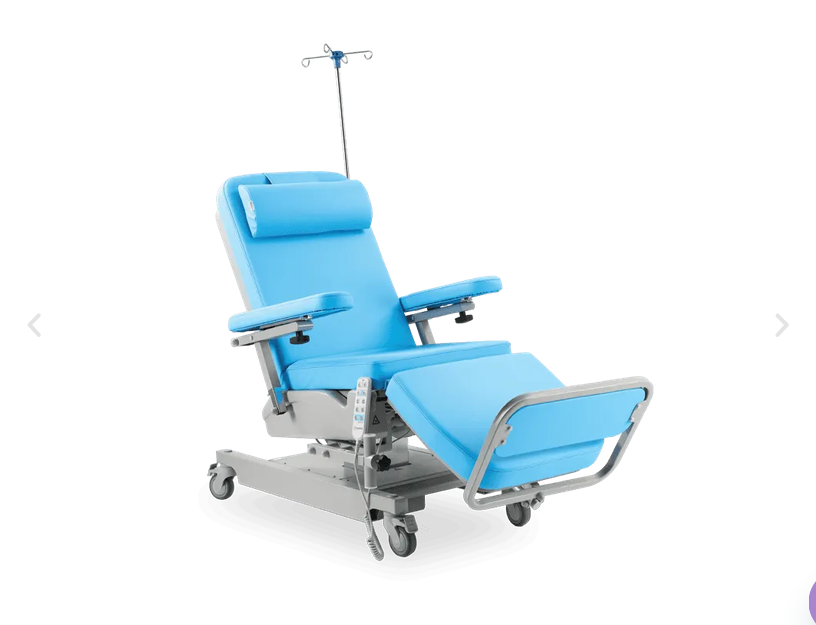
Motor count is usually the first number buyers notice, and it matters more than it looks. Each motor drives a separate movement, such as backrest recline, leg rest, height, or tilt. A chair with more independent motors gives staff finer control over positioning. That control counts during long sessions, when small adjustments keep a patient settled without a nurse moving them by hand. That gap shows most on a chair that must handle very different patients across one day.
A proper sheet names each movement rather than lumping them together. Confirm that these appear on it:
- Electronic height adjustment sets the chair to a working level that suits both the patient and the nurse.
- Independent backrest and leg rest recline let a patient shift position through a long session.
- A footrest that extends fully supports the legs and eases aching after hours in the chair.
- Trendelenburg tilt lowers the head below the legs if a patient’s blood pressure falls during treatment.
See also: Why Anti-Wrinkle Injections Remain a Popular Choice for Non-Surgical Rejuvenation
Safety Features Worth Checking on a Dialysis Chair
Some of the most useful details sit lower on the page, past the headline specs. A quick-release backrest is one to find. It lets staff lay the chair flat fast if a patient needs chest compressions, so the chair itself never gets in the way.
Low access height is another quiet detail. A lower seat helps frail or elderly patients sit and stand, and it reduces strain on the staff assisting them. This one is easy to overlook, and plenty of buyers do. Yet it shapes daily handling more than the flashier numbers near the top.
Seat width and padding turn up on some sheets too, tucked among the dimensions. A wider seat with proper padding matters for larger patients and for anyone sitting still for hours. Thin foam feels fine in a showroom and turns hard by the second hour. If the sheet lists foam density or seat measurements, read them closely. A comfortable seat also keeps patients still, which makes the nurse’s job easier.
Upholstery and Infection Control Details
Upholstery lines are easy to skim past, though they carry real weight in a dialysis unit. Look for surfaces described as disinfectant resistant. Staff wipe chairs down between every patient, and cheaper upholstery cracks under that repeated cleaning. Once the surface splits, it becomes hard to clean and usually needs replacing. A cracked seat also looks worn to every patient who sits in it.
Terms like abrasion-resistant and UV-resistant point to genuine material quality. Fire resistance belongs on the list too. These are not fillers when they appear on a serious sheet. They tell you the upholstery should cope with sunlight from a window, daily friction, and cleaning chemicals over the years. A surface that stays intact protects your infection control routine.
Frame Strength and Weight Capacity
Weight capacity deserves a closer read than most buyers give it. A stated load rating shows the safe working limit, and you want clear headroom above your typical patient. Frame construction sits right beside this. Here is why. Precision-welded steel frames with powder coating resist rust and daily knocks far better than lighter builds.
This is where a cheap chair can disappoint you later. A frame that flexes or a coating that chips within a year becomes a recurring cost you did not plan for. Ask whether the frame uses welded steel and how the maker finishes it. That answer separates a chair built for clinic use from one dressed up to look the part.
Putting the Sheet to Work
A dialysis chair spec sheet gets easier to fathom once you stop treating every line as equal weight. Some numbers shape daily use, and others barely register after the first week. The rest is detail you can weigh once the main points check out. Two questions cut through most sheets you will read. Will this chair keep a patient comfortable through a full session? And will it hold up after three years of cleaning and daily use? A sheet that answers both with confidence points you towards a chair worth the spend.